
Dedicated vs Shared Compute: A Decision Guide for Regulated R&D
Resource pooling and multi-tenancy introduce governance complexity in regulated environments. We break down performance predictability, risk controls, and the questions to ask any infrastructure provider.
Read Article →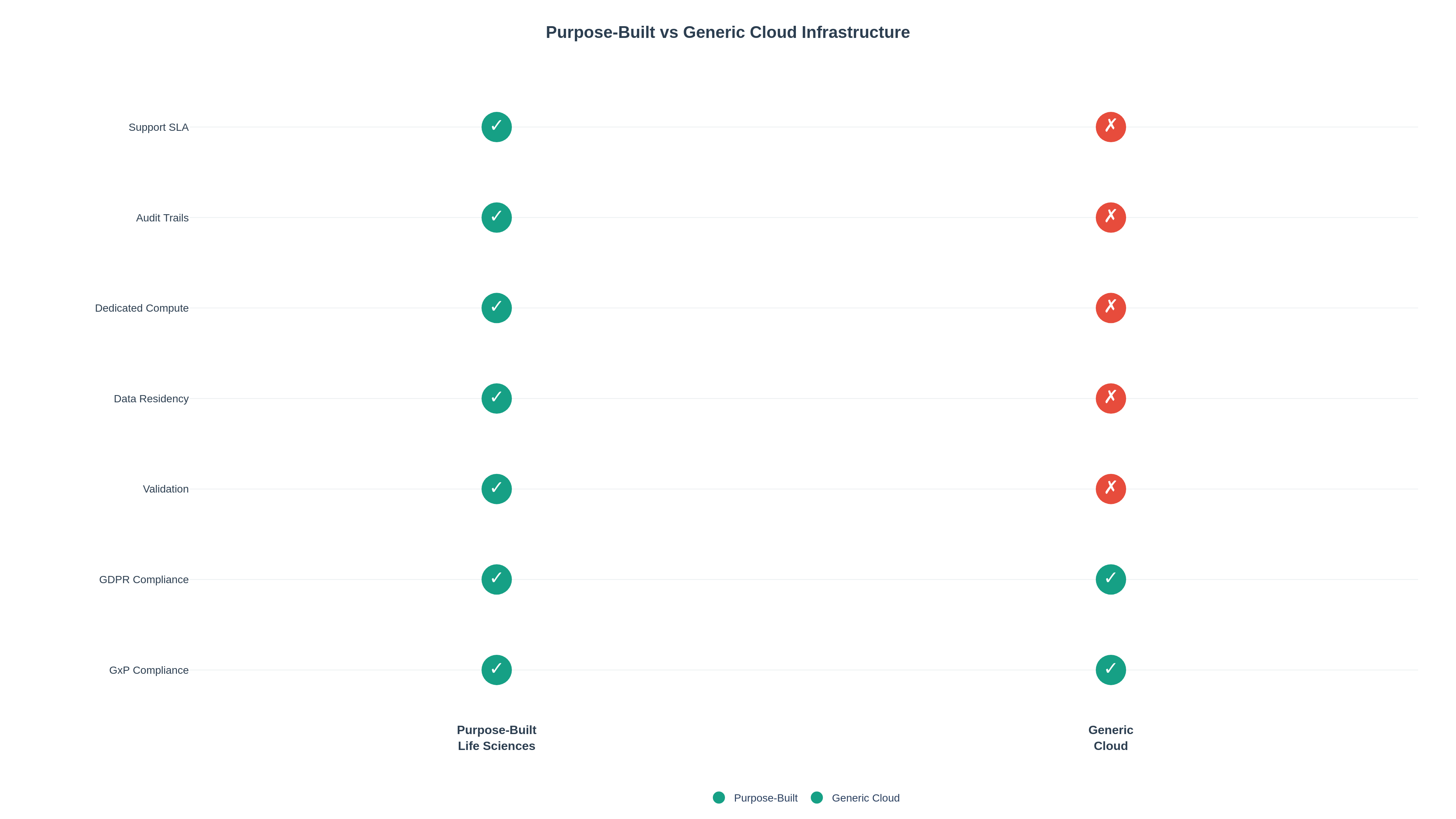
What "Purpose-Built Infrastructure" Actually Means in Life Sciences
Generic cloud often fails regulated workflows at the storage, network, identity, and evidence layer. We explain what "audit-ready" looks like operationally and how tiered platform roadmaps reduce transition risk.
Read Article →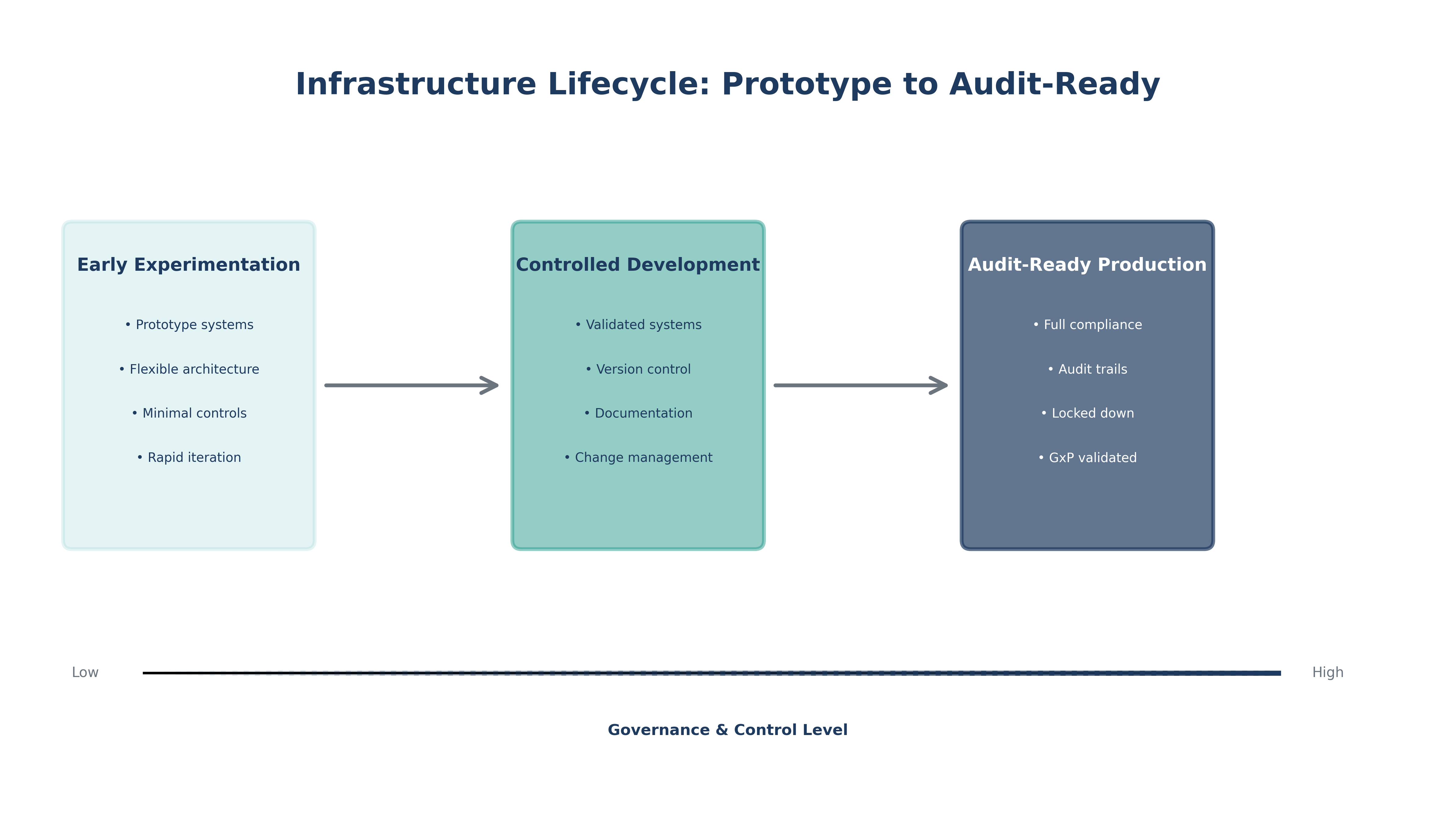
From Prototype to Audit: How Infrastructure Requirements Change Over Time
The shift from experimentation to operationalisation to controlled deployment introduces inventories, backups, review gates, and change control. Planning ahead prevents costly re-platforming mid-programme.
Read Article →
Audit Trails Explained: Turning Logs into Defensible Evidence
What regulators mean by "audit trail" under Part 11 and Annex 11 — what must be captured, how review should work, and the common failure patterns that undermine inspection readiness.
Read Article →
Compliance-by-Design: Why Retrofitting Always Fails
Annex 11 expects lifecycle risk management, validation, and periodic evaluation from the start. Bolting compliance onto an existing system creates evidence gaps, supplier ambiguity, and audit exposure.
Read Article →
Pseudonymisation Is Not Anonymisation: What This Means for Genomic Data
GDPR defines pseudonymisation as processing that prevents attribution without additional information — but that data can still be personal data. We explain the practical controls: key separation, access boundaries, and role separation.
Read Article →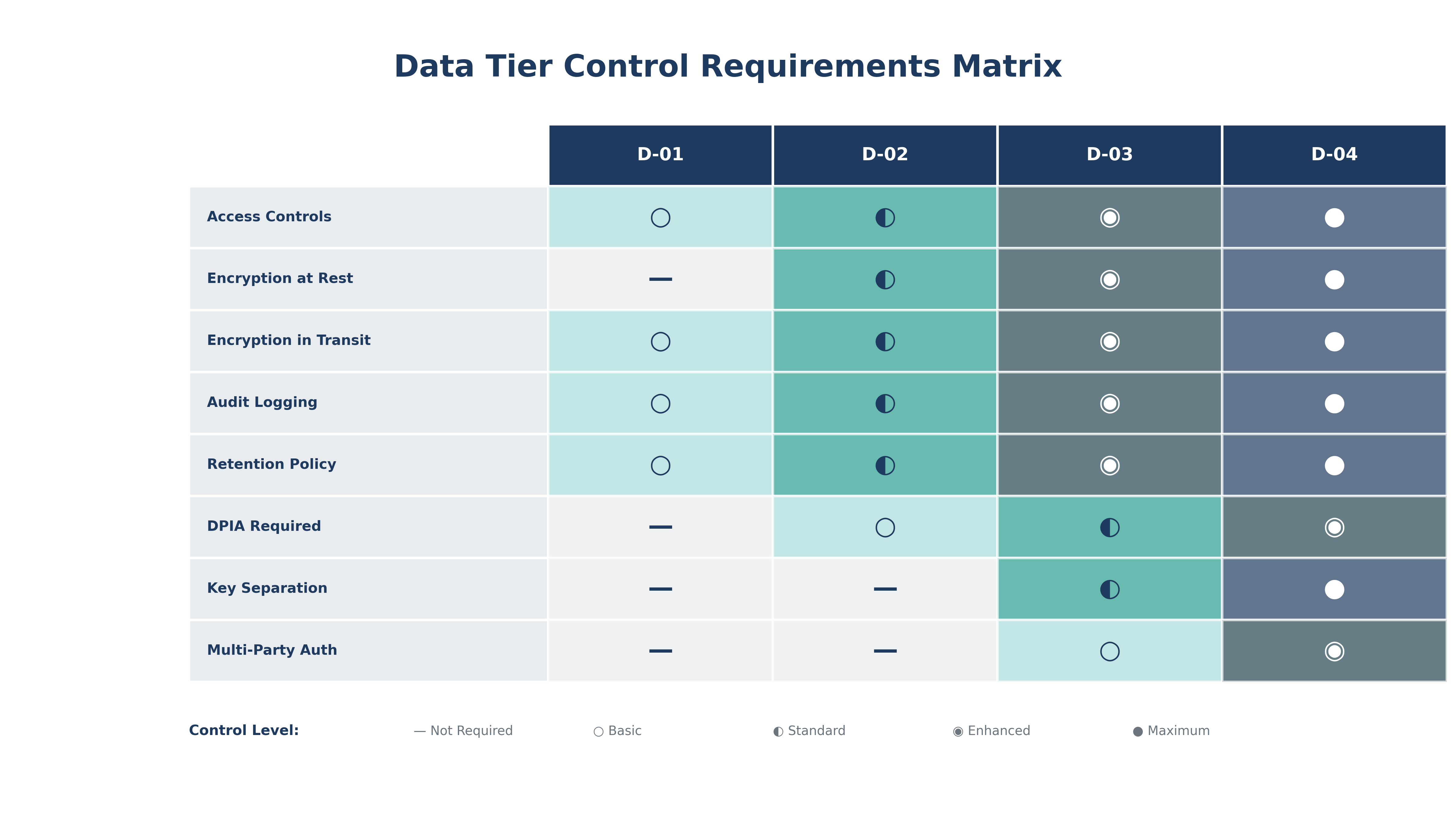
The Four Data Tiers: A Practical Governance Model for Life-Science R&D
Data tiers independent of platform tiers let the same infrastructure host different regulatory classes of data — if governance and controls are aligned. We explain the model, the risks you avoid, and how tiering supports audits.
Read Article →
Federated Access in Plain English: Analyse Genomic Data Without Moving It
When data cannot move due to legal, sovereignty, or risk constraints, federated access through controlled pipelines and standards like GA4GH DRS and Passports makes governance portable and inspectable.
Read Article →
Pseudonymisation Strategy: Key Separation, Role Separation, and Auditability
GDPR requires "additional information kept separately" under technical and organisational measures. We cover the organisational controls, technical boundaries, and common mistakes teams make treating pseudonymised data as safe by default.
Read Article →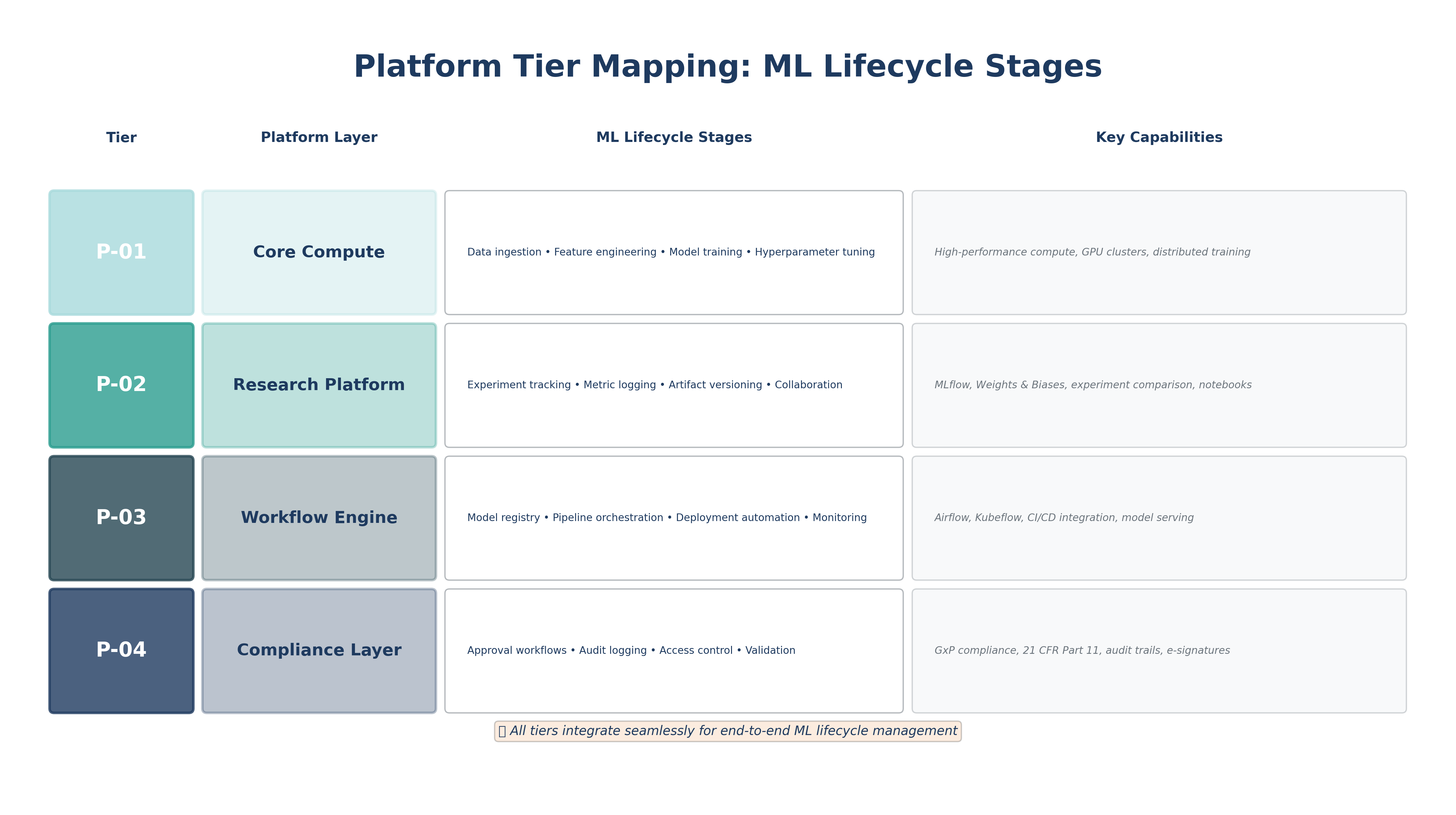
MLOps for Regulated R&D: Focus on Traceability, Not Tooling
In regulated contexts, MLOps is about repeatability, control, and traceability — not DevOps for data scientists. We outline the minimum workflow spine and what metadata must be captured for defensibility.
Read Article →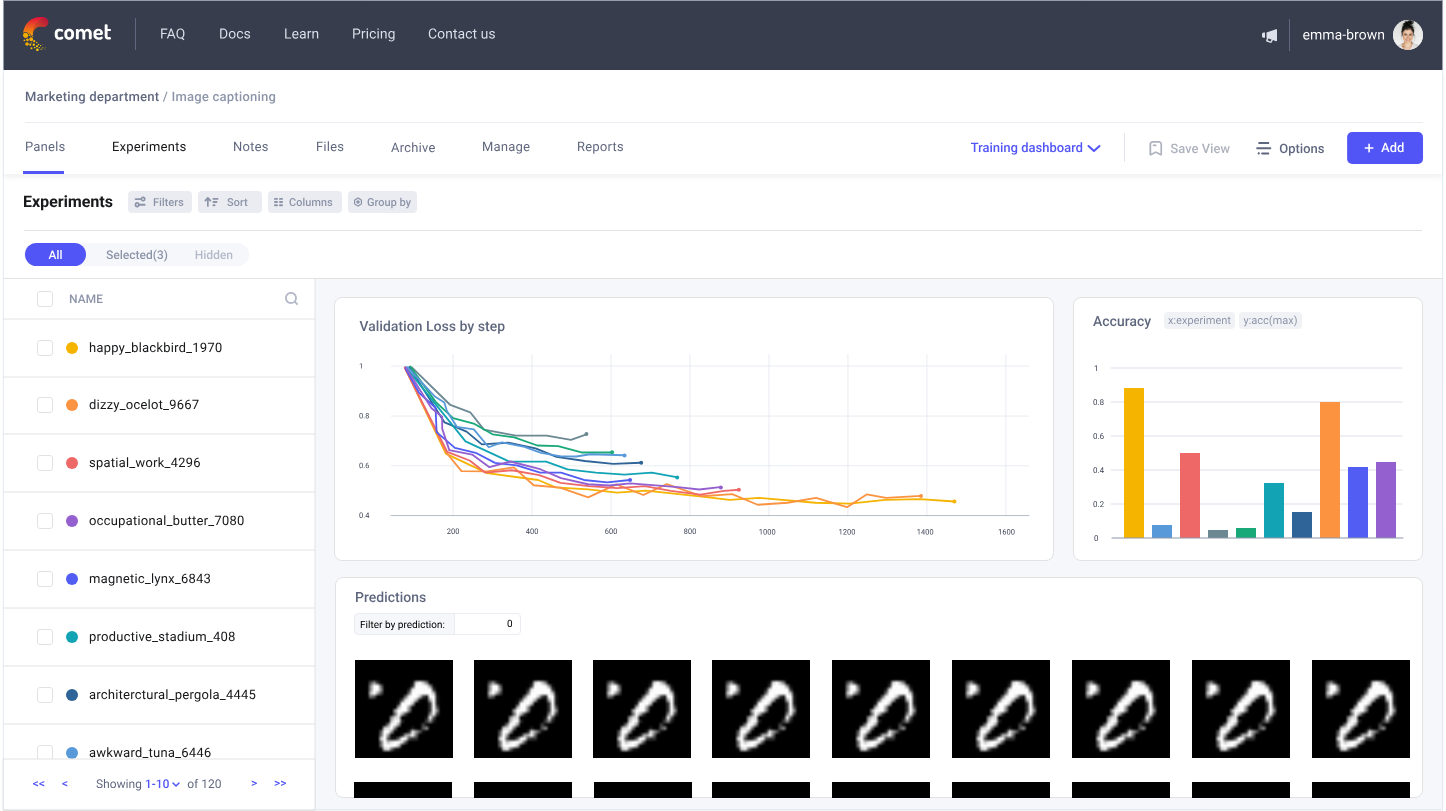
Experiment Tracking as Evidence: Turning Runs into Records
Run logs alone are not enough under audit pressure. Parameters, artefacts, code versions, and data pointers must be logged — and registries must support lineage and controlled promotion with retention aligned to compliance.
Read Article →
Pipelines That Scale: Why Directed-Graph Workflows Win
Workflow engines formalise ML workflows as directed graphs of components with explicit parameter and data flow. We explain Kubernetes-based portability, approval gates, secrets handling, and where workflow engines fit in a platform roadmap.
Read Article →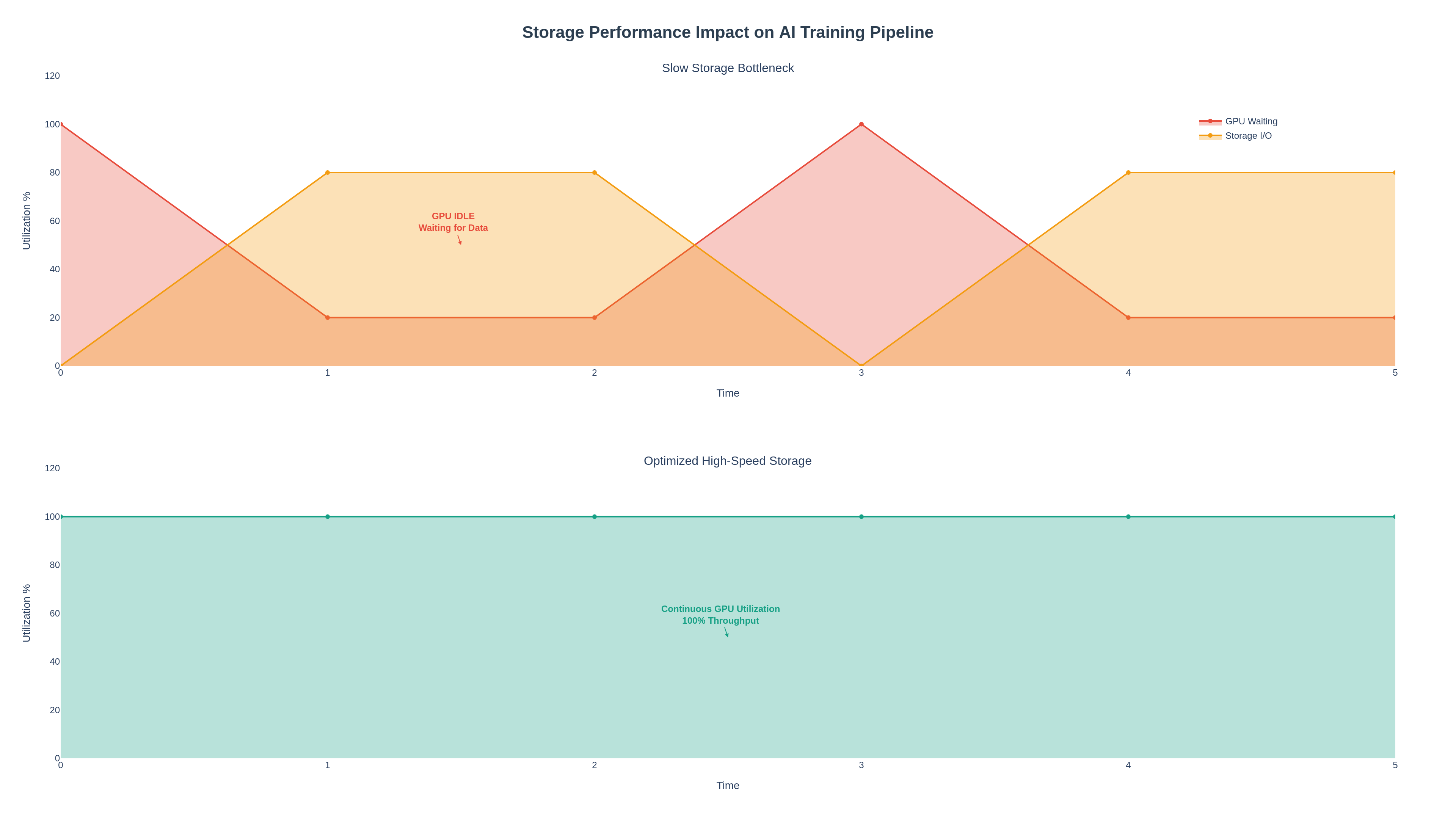
Why Storage Is the Real AI Bottleneck
AI workloads are often storage- and network-bound. Weak storage fabrics create "GPU idle time" as the real cost driver. We explain local NVMe vs shared NAS vs archival and how to design for predictable throughput.
Read Article →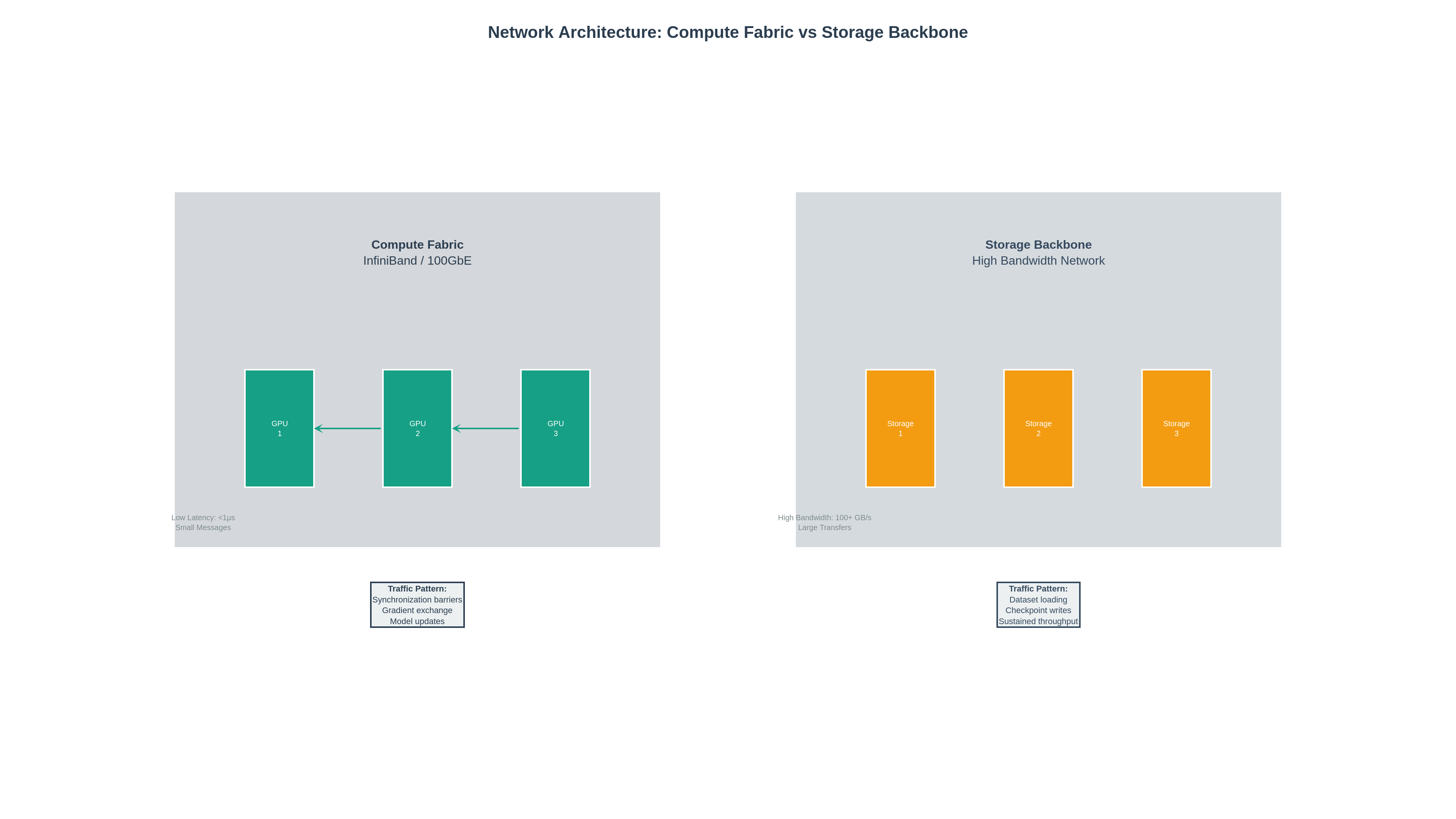
Networking for AI Workloads: Why 10 GbE and 100 GbE Exist Together
Compute fabric vs storage backbone separation matters. We explain when bandwidth matters vs when latency matters, how segmentation drives performance predictability, and how to benchmark before committing.
Read Article →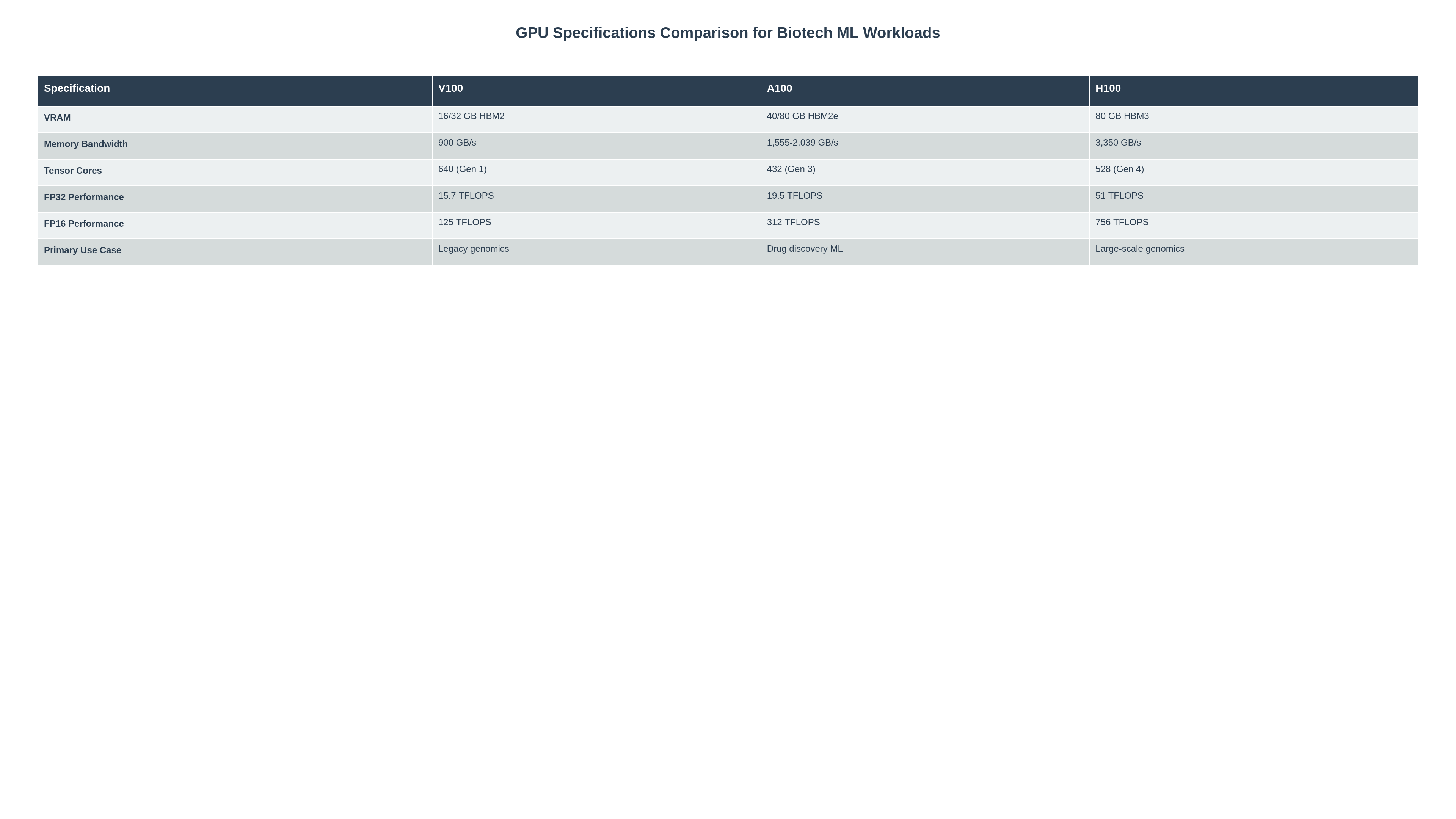
GPU Specs Without the Hype: Understanding VRAM, NVLink, and Upgrade Paths
What VRAM constrains, how "combined memory" differs from per-GPU capacity, when A6000-class vs A100/H100-class matters, and how to plan GPU capacity without overbuying.
Read Article →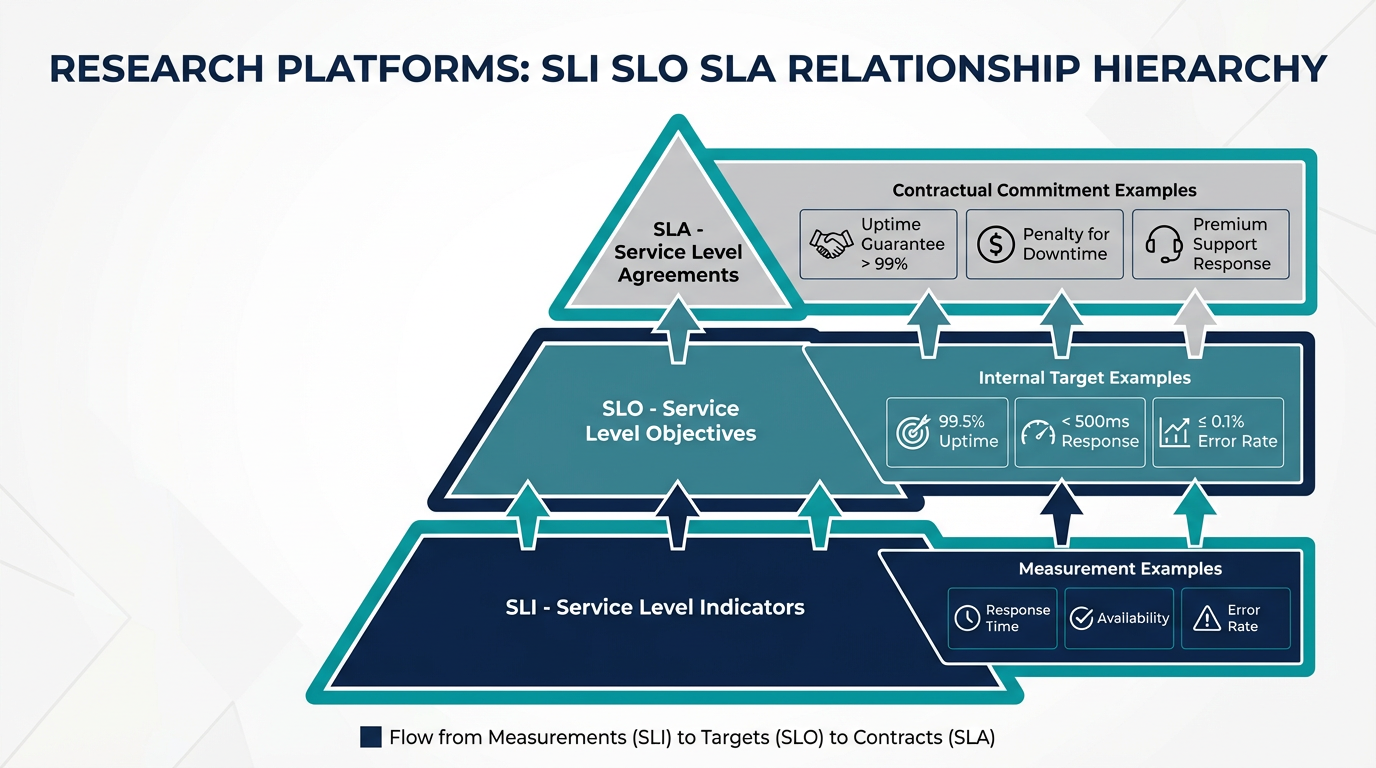
SLAs That Matter: How to Define SLOs for Research Platforms
SLAs without measurable SLOs produce heat but not control. We explain SLA vs SLO vs SLI in plain English, how error budgets create rational change policies, and reporting formats procurement teams understand.
Read Article →
Backup Is Not a Strategy: Restore Testing and Evidence Packs
Annex 11 expects not only backups but that integrity, accuracy, and the ability to restore are checked during validation and monitored periodically. We explain RPO/RTO, restore testing cadence, and common failure patterns.
Read Article →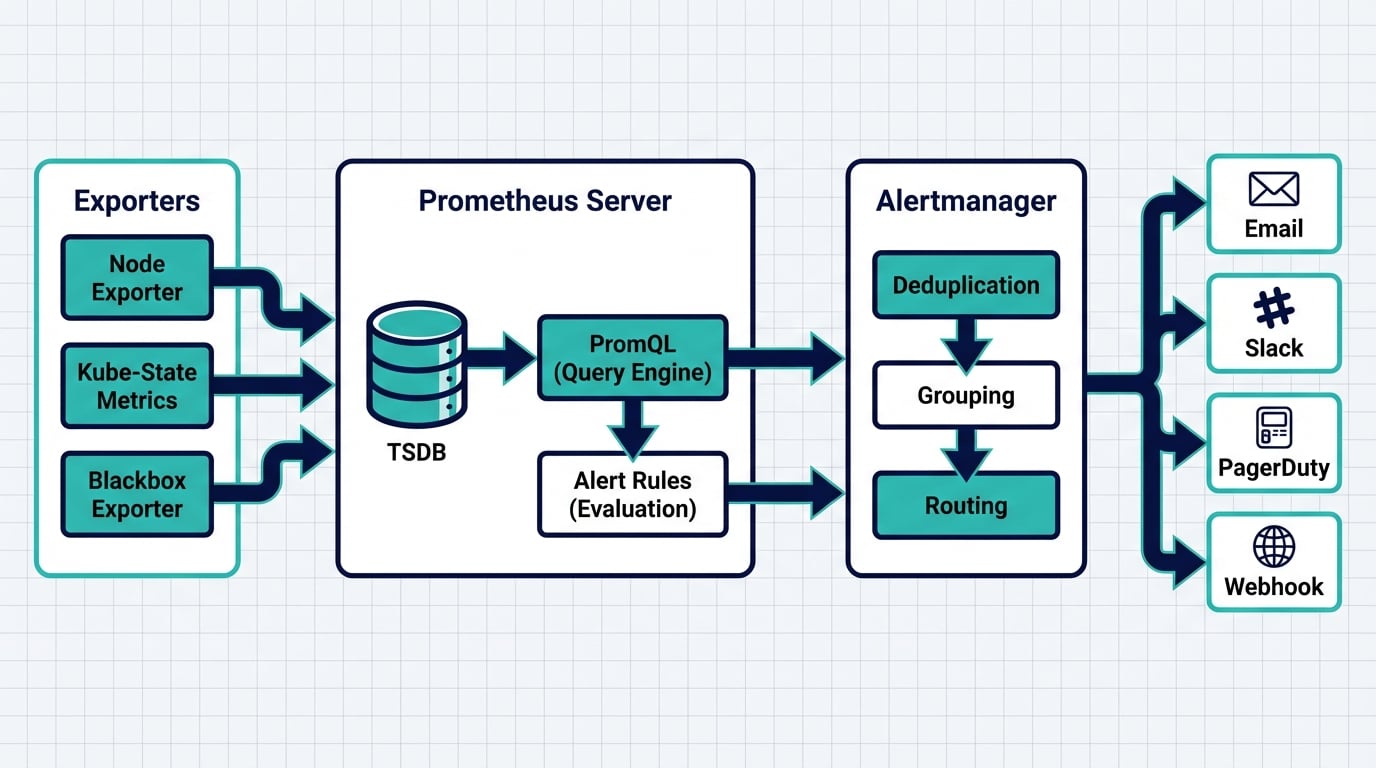
Monitoring Without Noise: Practical Observability for Regulated Platforms
Symptom-based alerting, Prometheus/Alertmanager architecture, and correlated telemetry via OpenTelemetry. How to build incident evidence alongside remediation for audit-ready operations.
Read Article →
Build vs Buy for Regulated AI Platforms: A Board-Friendly Framework
What you truly own either way — data, decisions, accountability. Evidence and operations are the hidden cost centre. We provide decision criteria covering timeline, compliance scope, and risk tolerance.
Read Article →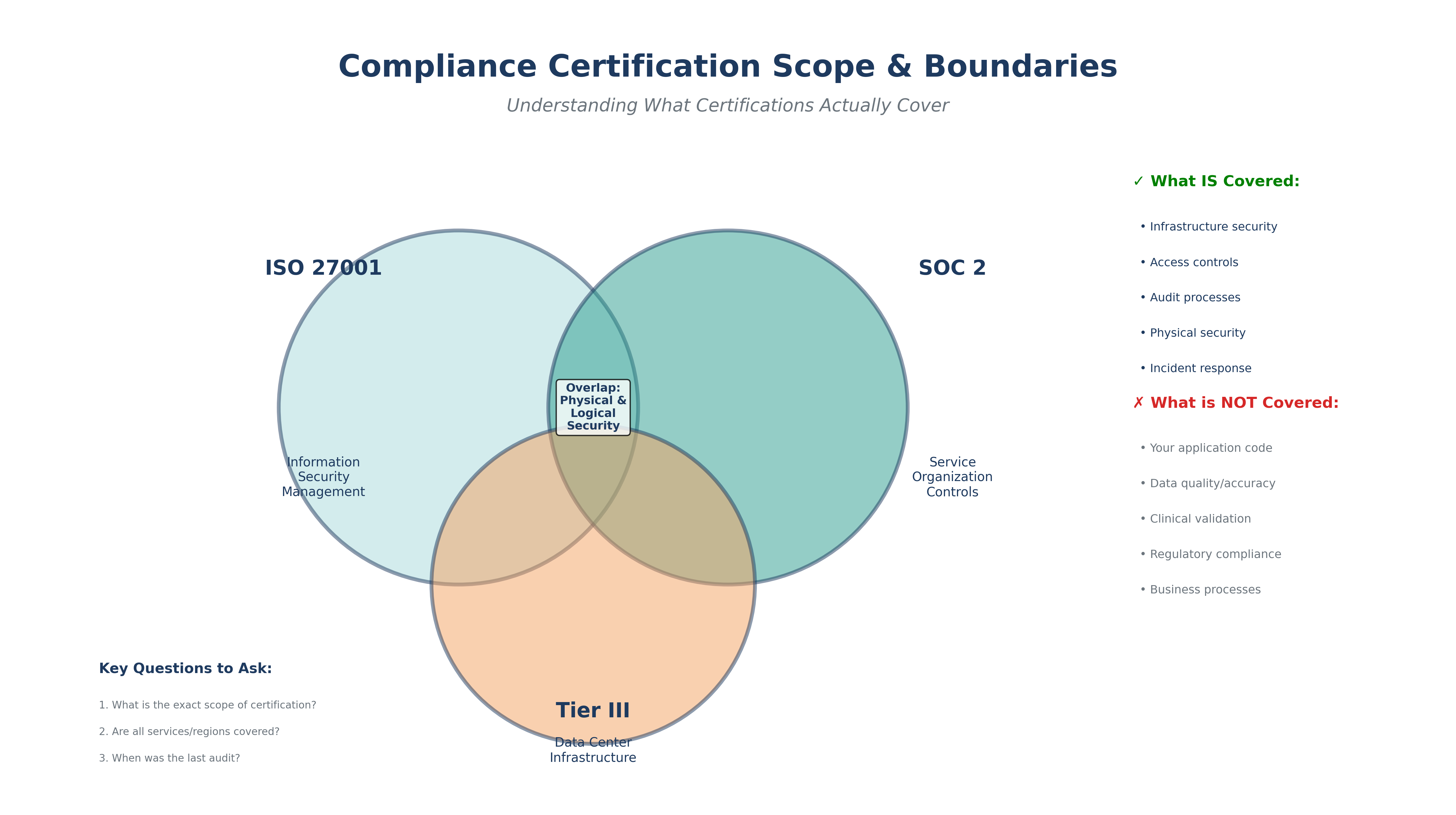
What ISO 27001, SOC 2, and Tier III Actually Tell You
Each certification implies something specific — and has clear limits. We explain what to ask a provider for proof and scope boundaries, and when a "certified DC" still isn't enough without platform-level controls.
Read Article →
Why AI Platforms Fail in Year Two: The Hidden Debt Pattern
ML/AI systems accrue hidden maintenance costs beyond the initial build — tool sprawl, ownership gaps, and dependency drift compound silently. Platform standardisation and governance as part of the product prevent year-two collapse.
Read Article →